
About Bbdbuy Spreadsheet
Click the images below to browse!


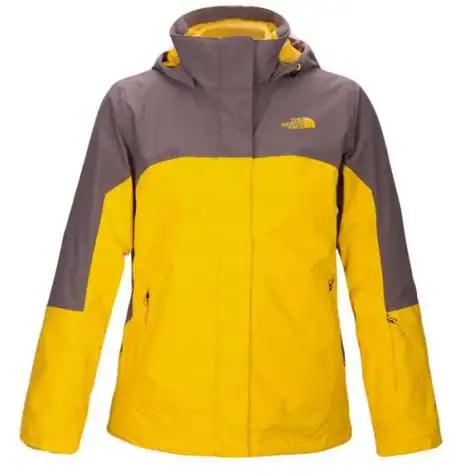


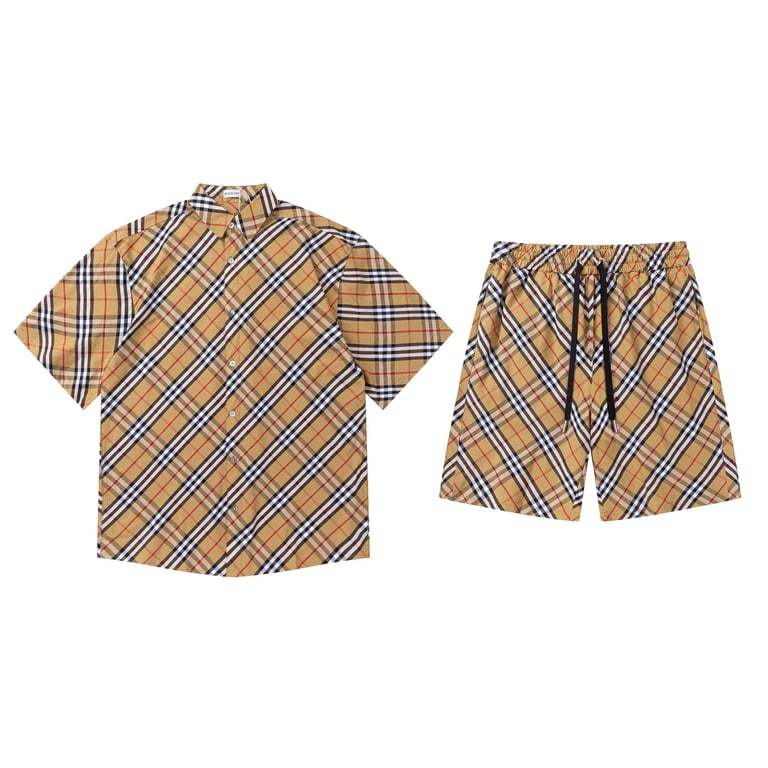
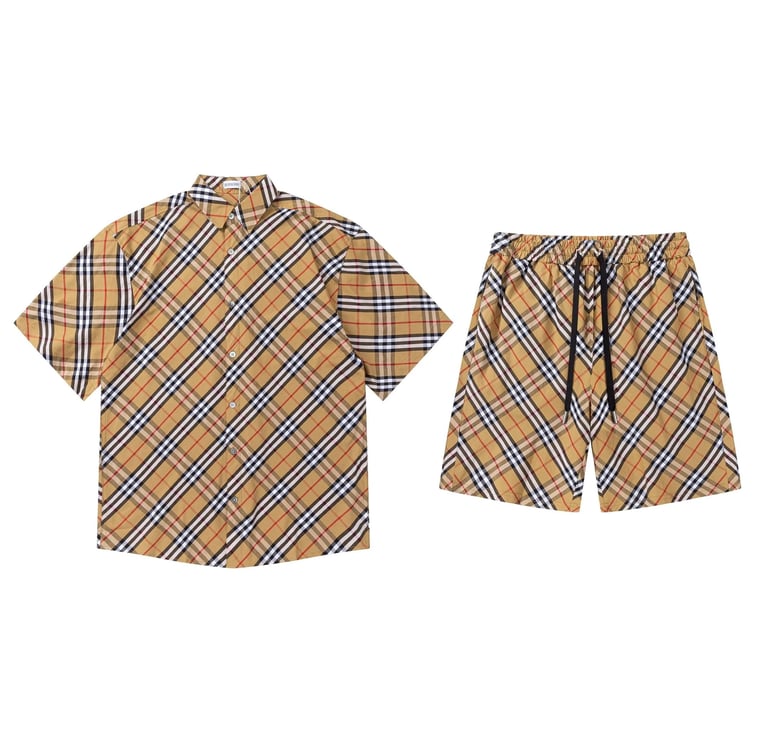
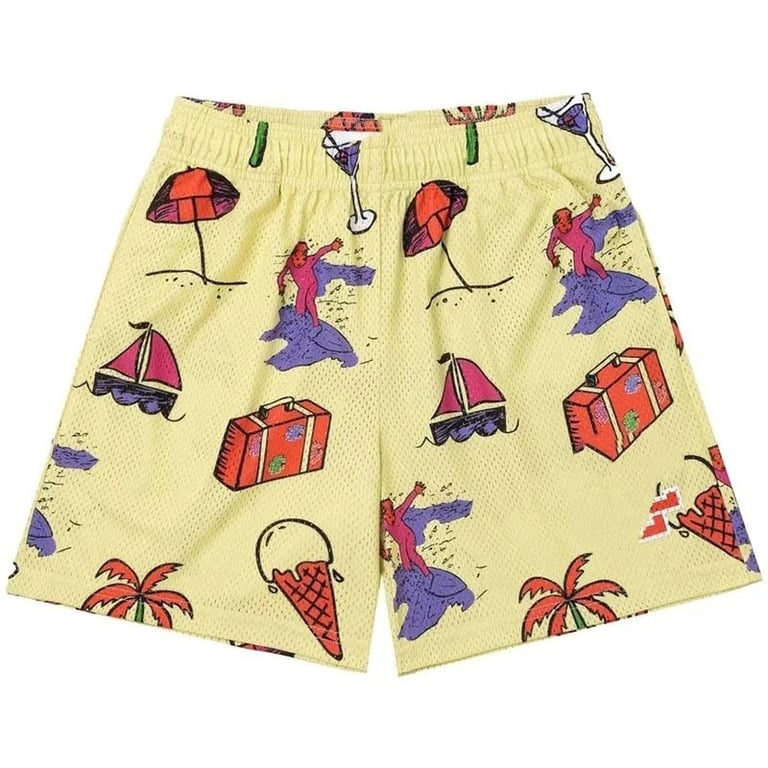



Finding trending and low-cost products using Bbdbuy links
In cross-border ecommerce, two of the most important sourcing goals are finding trending products early and identifying low-cost items with stable profit margins. Sellers who can consistently achieve both are more likely to scale quickly, especially in competitive markets like dropshipping and global retail arbitrage.
The Bbdbuy links system, combined with the Bbdbuy spreadsheet, is designed to simplify this process by reducing the time required to move from product discovery to supplier validation. Instead of relying on manual searches across multiple platforms, users can directly access product opportunities that are already organized and filtered for sourcing efficiency.
This article explains how to systematically identify trending and low-cost products using the Bbdbuy spreadsheet and its integrated Bbdbuy links structure.
Understanding what “trending” means in Bbdbuy spreadsheet context
Before identifying trending products, it is important to understand how trends are represented in the Bbdbuy spreadsheet system.
Unlike traditional ecommerce platforms that rely on algorithmic ranking or ad-driven visibility, trending signals inside the Bbdbuy spreadsheet are typically reflected through structured indicators such as:
Frequent appearance in updated sheets
Repeated sourcing across multiple suppliers
Category-level demand clustering
Rapid expansion of similar product variants
These indicators help users identify products that are gaining traction in the market before they become oversaturated.
When combined with Bbdbuy links, users can immediately verify whether a trending product has stable supplier availability or whether it is a short-term spike.
Step 1: Filtering high-potential categories
The first step in finding both trending and low-cost products is category selection inside the Bbdbuy spreadsheet.
Not all categories behave the same way in terms of trend cycles or pricing structures. For example:
Fashion and accessories often show fast-moving trends
Home goods tend to have stable but slower cycles
Electronics accessories often combine both demand and margin potential
By narrowing down categories first, users reduce noise and focus only on product segments that are more likely to produce viable opportunities.
This step is critical because it determines the efficiency of the entire sourcing workflow.
Step 2: Identifying trending products using spreadsheet signals
Once a category is selected, users can begin identifying trending products inside the Bbdbuy spreadsheet.
Instead of relying on external trend tools, the spreadsheet itself provides internal signals that reflect market behavior.
Common indicators include:
Products appearing in multiple updated versions of the spreadsheet
Items grouped under “hot,” “popular,” or “fast-moving” tags
Similar product variations listed from different suppliers
Frequent repetition across categories
These patterns suggest increasing demand or active sourcing interest.
At this stage, users are not yet making purchasing decisions. The goal is to shortlist candidates that show early-stage momentum.
Step 3: Using Bbdbuy links to validate demand
After identifying potential trending products, the next step is validation through Bbdbuy links.
Each product in the Bbdbuy spreadsheet is connected to supplier pages or sourcing interfaces via direct links. These links allow users to quickly verify:
Actual product availability
Supplier responsiveness
Price stability
Variation options (colors, sizes, models)
This validation step is essential because not all “trending” signals guarantee real market demand. Some products may appear frequently in listings but lack consistent supplier support.
By clicking Bbdbuy links, users can immediately confirm whether a product is suitable for scaling or testing.
Step 4: Finding low-cost products with profit potential
While trending products focus on demand, low-cost products focus on margin optimization.
Inside the Bbdbuy spreadsheet, low-cost opportunities are usually identified through:
Price clustering among multiple suppliers
Entry-level product variations within a category
Simple manufacturing items with low production cost
Bulk-friendly product structures
Users can filter the spreadsheet to identify products at the lower end of pricing ranges while still maintaining acceptable demand levels.
The combination of low sourcing cost and verified demand is what creates strong profit potential in ecommerce.
Step 5: Combining trend + cost for optimal selection
The most effective strategy is not choosing between trending or low-cost products, but combining both criteria.
A high-performing product typically has:
Emerging or stable demand trend
Low or moderate sourcing cost
Multiple supplier availability
Simple logistics structure
By using the Bbdbuy spreadsheet, users can evaluate both dimensions simultaneously instead of treating them separately.
Once a product meets both conditions, Bbdbuy links can be used to immediately move into supplier comparison and sourcing decisions.
Common mistakes when selecting products
Many beginners make the mistake of focusing only on trends without considering cost structure, or focusing only on low cost without validating demand.
Inside the Bbdbuy spreadsheet system, this often leads to:
Selecting oversaturated products
Choosing low-margin items with weak demand
Ignoring supplier reliability differences
Over-relying on a single data point
A balanced approach is always more effective: trend signals should guide direction, while pricing data should determine feasibility.
Building a repeatable selection strategy
Over time, users can build a repeatable product selection system using the Bbdbuy spreadsheet and Bbdbuy links.
A simple repeatable workflow looks like:
Select category based on market interest
Scan spreadsheet for trending indicators
Shortlist products with strong signals
Validate via Bbdbuy links
Compare pricing across suppliers
Select final candidates for testing
This process can be repeated weekly or monthly to continuously refresh product pipelines.
Conclusion
Finding trending and low-cost products is one of the most critical skills in ecommerce success, and the Bbdbuy spreadsheet system provides a structured way to achieve this consistently.
By combining internal trend signals with pricing data and validating through Bbdbuy links, users can significantly reduce guesswork and improve sourcing accuracy.
Instead of relying on intuition or fragmented tools, this system enables a repeatable, data-informed workflow that supports scalable product selection and long-term ecommerce growth.